“Brazilian Coffee” search results (4400)

Brazilian coffee flavor Brazilian coffee characteristics Brazilian coffee beans Brazilian coffee brand Brazilian coffee
Brazilian coffee generally refers to coffee produced in Brazil. There is a wide variety of Brazilian coffee, the vast majority of which are unwashed and sun-dried, classified according to the name of the state of origin and the port of transport. Brazil has 21 states and 17 states produce coffee, but four of them produce the largest, accounting for 98% of the country's total output. Brazilian coffee has a low sour taste, which goes well with coffee.
2016-09-01 Brazil coffee flavor characteristics coffee beans brand generally refers to produced in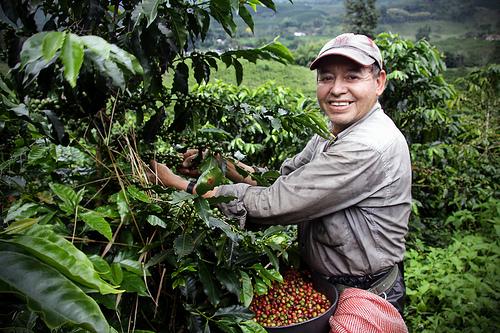
Brazilian coffee beans Brazilian coffee Brazilian coffee flavor Brazilian coffee mouth of Brazilian coffee
Brazilian coffee generally refers to coffee produced in Brazil. There is a wide variety of Brazilian coffee, the vast majority of which are unwashed and sun-dried, classified according to the name of the state of origin and the port of transport. Brazil has 27 states and 17 states produce coffee, but four of them produce the largest, accounting for 98% of the country's total output. Brazilian coffee has a low sour taste, which goes well with coffee.
2016-03-15 Brazil coffee beans coffee type taste generally refers to produced species
Brazilian coffee flavor Brazilian coffee characteristics Brazilian coffee beans Brazilian coffee brand Brazilian coffee
Although coffee is diverse, Brazilian coffee is suitable for the taste of the public. For example, coffee produced in the northern coastal areas has a typical iodine taste, reminiscent of the sea after drinking. This coffee is exported to North America, the Middle East and Eastern Europe. Another kind of coffee that is interesting and worth looking for is washed Bahia coffee. This kind of coffee is not easy to find, because after the United States
2016-09-01 Brazil coffee flavor characteristics coffee beans brands although has diversity
Brazilian coffee with a hint of grass flavor the characteristics of the manor producing area introduce Brazilian coffee beans
Drinking Brazilian coffee is not like drinking or fruit juice. Moderate Brazilian coffee will not only stimulate the taste, but will not feel greasy after drinking it, but will have a long aftertaste. The right amount of Brazilian coffee can moderately promote the recovery of physical fatigue, refreshing the mind. Brazilian coffee has a strong and weak taste, so you can't drink several cups in succession like tea or cola, but usually drink Brazilian coffee at 80-10.
2016-07-25 With light grass fragrance Brazil coffee flavor taste manor producing area
Brazilian boutique coffee Brazilian coffee latest news Brazilian coffee company
Brazilian coffee has always been loved and respected by many coffee lovers. The flavor of Brazilian coffee has been developed since its production, and it has been given more unique flavor by the renewal of successive dynasties and the development of the times. Brazilian coffee generally refers to coffee produced in Brazil. There are many kinds of Brazilian coffee, most of which are unwashed and sun-dried, according to the name of the state of origin.
2015-11-21 Brazil boutique coffee latest information company historically by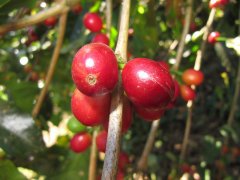
China Coffee Network recommends Brazilian coffee imported Brazilian flavor Bourbon Brazilian flavor blended coffee
Brazilian coffee Brazilian coffee refers to coffee produced in Brazil. There are many types of Brazilian coffee, most of which are unwashed and dried. They are classified according to the state of origin and port of shipment. Brazil has 21 states, 17 of which produce coffee, but four of them produce the most, accounting for 98% of the country's total production. Brazilian coffee has a low acidity in its taste,
2016-03-30 China Coffee Recommended Brazil Import Flavor Bourbon Blend
Brazilian coffee flavor Brazilian coffee characteristics Brazilian coffee beans Brazilian coffee brands
Although coffee is diverse, Brazilian coffee is suitable for the taste of the public. For example, coffee produced in the northern coastal areas has a typical iodine taste, reminiscent of the sea after drinking. This coffee is exported to North America, the Middle East and Eastern Europe. Another kind of coffee that is interesting and worth looking for is washed Bahia coffee. This kind of coffee is not easy to find, because after the United States
2016-09-01 Brazil coffee flavor characteristics coffee beans brands although has diversity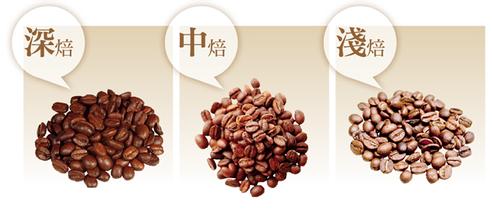
Brazilian coffee taste priority origin rating system Brazilian coffee grading system Brazilian cup test method
The grading system of Brazilian coffee is very special, which is based on the results of the Brazilian cup test as the main basis for grading, rather than referring to altitude, bean size, and so on, as most other coffee beans do. So when we choose and buy Brazil, we often add the number of coffee beans to show its size.
2016-04-12 Brazil coffee taste priority origin rating system grading western style cup test
Dry drying Brazilian boutique coffee beans introduction to Brazilian coffee flavor and taste manors in Brazilian coffee producing areas
Brazilian coffee generally refers to coffee produced in Brazil. There are many kinds of coffee in Brazil. Like other Arabica coffee, Brazilian coffee is called Brazilian coffee Brazils to distinguish it from Milds coffee. The vast majority of Brazilian coffee is unwashed and sun-dried and is classified according to the name of the state of origin and port of transport. Brazil has 21 states and 17 states produce coffee, but among them
2016-07-14 Dry sun Brazil boutique coffee beans introduction coffee flavor taste producing area manor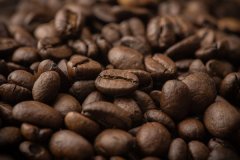
The origin rating system of Brazilian boutique coffee quality grading of Brazilian coffee quality of Brazilian coffee
The grading system of Brazilian coffee is very extraordinary, according to the results obtained by the Brazilian cup test as the primary basis for grading, rather than like most other coffee beans, it will refer to altitude, bean size, and so on. So when we choose to buy Brazil, we often add a number of coffee beans to name its size. The so-called mesh number is the size of the screen.
2016-03-24 Brazil boutique coffee origin rating system quality grading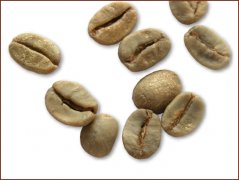
Picture of small Brazilian coffee beans (Brazilian Arabica)
1. Pictures of small Brazilian coffee beans (Brazilian Arabica) 2. Picture of small Brazilian coffee beans (Brazilian Arabica)
2014-09-19 Brazilian coffee beans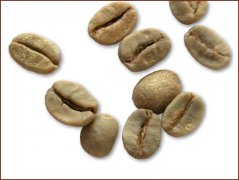
Picture of small Brazilian coffee beans (Brazilian Arabica)
1. Pictures of small Brazilian coffee beans (Brazilian Arabica) 2. Picture of small Brazilian coffee beans (Brazilian Arabica)
2015-06-06 Brazil small grains coffee beans pictures Brazilian Arabica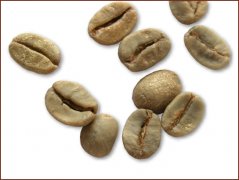
Picture of small Brazilian coffee beans (Brazilian Arabica)
1. Pictures of small Brazilian coffee beans (Brazilian Arabica) 2. Picture of small Brazilian coffee beans (Brazilian Arabica)
2015-10-05 Brazil small grains coffee beans pictures Brazilian Arabica
The origin of Brazilian coffee the taste of Brazilian coffee high-quality coffee variety Santos coffee
Brazilian coffee generally refers to coffee produced in Brazil. There is a wide variety of Brazilian coffee, the vast majority of which are unwashed and sun-dried, classified according to the name of the state of origin and the port of transport. Brazil has 27 states and 17 states produce coffee, but four of them produce the largest, accounting for 98% of the country's total output. Brazilian coffee has a low sour taste, which goes well with coffee.
2016-03-08 Brazil coffee origin taste quality variety dos general
Brazilian coffee beans introduce Brazilian coffee characteristics Brazilian coffee brands
Brazilian coffee generally refers to coffee produced in Brazil. There are many kinds of coffee in Brazil. Like other Arabica coffee, Brazilian coffee is called Brazilian coffee Brazils to distinguish it from Milds coffee. The vast majority of Brazilian coffee is unwashed and sun-dried and is classified according to the name of the state of origin and port of transport. Brazil has 21 states and 17 states produce coffee, but among them
2016-07-21 Brazil coffee beans introduction coffee characteristics brand generally refers to produced in
Dry drying Brazilian boutique coffee beans introduction to Brazilian coffee flavor and taste manors in Brazilian coffee producing areas
Brazilian coffee generally refers to coffee produced in Brazil. There are many kinds of coffee in Brazil. Like other Arabica coffee, Brazilian coffee is called Brazilian coffee Brazils to distinguish it from Milds coffee. The vast majority of Brazilian coffee is unwashed and sun-dried and is classified according to the name of the state of origin and port of transport. Brazil has 21 states and 17 states produce coffee, but among them
2016-07-14 Dry sun Brazil boutique coffee beans introduction coffee flavor taste producing area manor
Brazilian Coffee Flavor Brazilian Coffee characteristics Brazilian Coffee taste Manor
Brazilian coffee generally refers to coffee produced in Brazil. There is a wide variety of Brazilian coffee, the vast majority of which are unwashed and sun-dried, classified according to the name of the state of origin and the port of transport. Brazil has 21 states and 17 states produce coffee, but four of them produce the largest, accounting for 98% of the country's total output. Brazilian coffee has a low sour taste, which goes well with coffee.
2016-08-29 Brazil coffee flavor specialty taste manor introduction general reference
Taste of Brazilian Coffee with soft Flavor introduction to boutique coffee beans in manor production area
Although coffee is diverse, Brazilian coffee is suitable for the taste of the public. For example, coffee produced in the northern coastal areas has a typical iodine taste, reminiscent of the sea after drinking. This coffee is exported to North America, the Middle East and Eastern Europe. Another kind of coffee that is interesting and worth looking for is washed Bahia. This kind of coffee is not easy to find, because after the United States
2016-08-09 Aroma soft Brazilian coffee flavor taste manor producing area characteristics boutique
Brazilian Coffee Flavor taste the characteristics of the manor producing area introduce Brazilian boutique coffee Brazilian coffee brand
The topography of Brazil is mainly divided into two parts, one is the Brazilian plateau above 500 meters above sea level, distributed in the south of Brazil, the other is the plain below 200 meters above sea level, mainly distributed in the north of the Amazon River basin and the west. The topography of the whole territory is divided into Amazon plain, Paraguay basin, Brazilian plateau and Guyana plateau, of which the Amazon plain accounts for about 1% of the national area. Yes
2016-08-01 Brazil coffee flavor taste manor producing area characteristics introduction boutique brand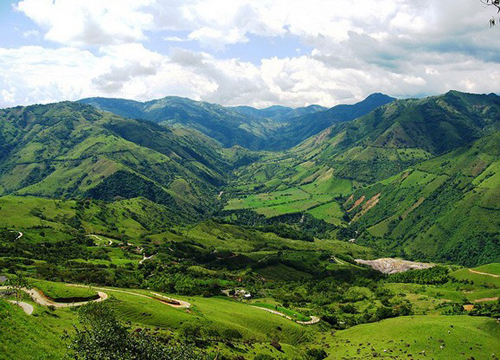
Brazilian Coffee Industry Brazilian Coffee production areas learn about Brazilian Coffee Industry
Coffee industry in Brazil Coffee is a traditional industry in Brazil. Since 1960, coffee cultivation in Brazil has been ranked first in the world, with an average annual output of 24.6 million bags (60 kg each). In 2002, due to favorable weather and a good year for coffee production, Brazilian coffee reached the best level in history, reaching 47.2 million bags, an increase of 59.6 per cent over 28.137 million bags in 2001. According to the United States Department of Agriculture 20
2016-03-17 Brazil Coffee Industry producing area understanding tradition 196